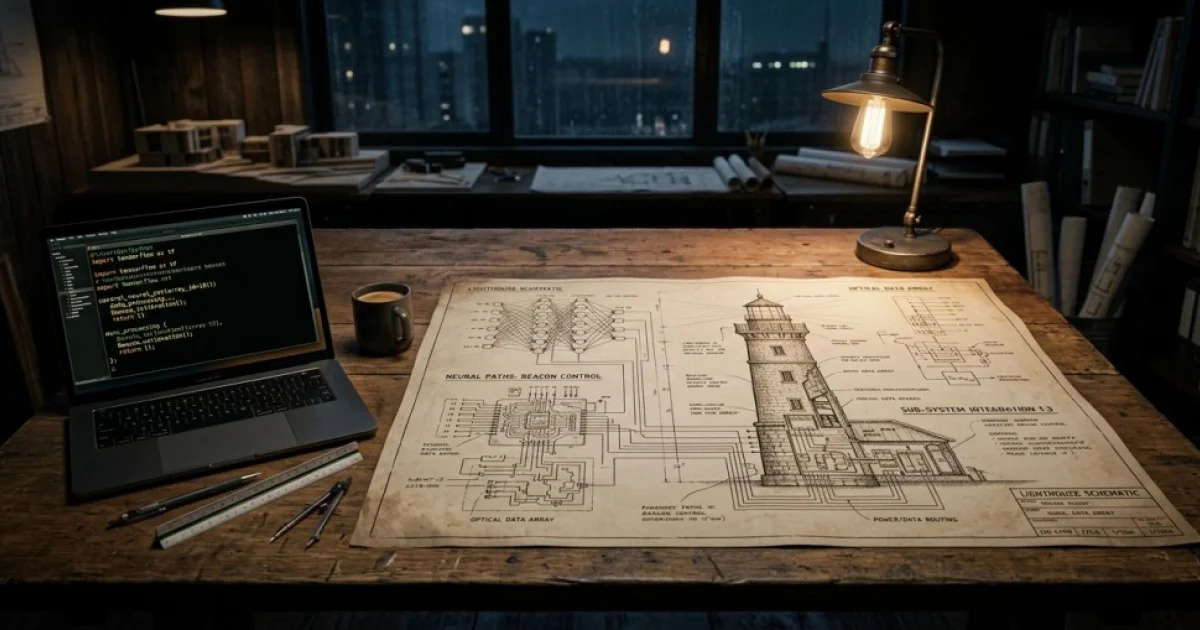
AI-as-a-service is convenient. But convenience quietly turns into dependency: your data, your prompts, and the reasoning behind your outputs all live inside someone else's system. That's fine for some work. For the work that matters, you need an alternative you can see inside.
At CloudHerder, we're building with a hybrid method: frontier AI where it scales best, local infrastructure where verification matters. Not because local is always better, but because having a fallback you control is part of owning your craft.
Over the next eight posts, we'll break down what that actually looks like:
- Where we stand — and why independence is worth the effort now.
- Runtimes: Ollama, LM Studio, and LocalAI for different jobs.
- Models: honest hardware and quantization tradeoffs.
- Agents: Pi Coding Agent, Hermes Agent, and the shape of local agents.
- Memory: self-hosted RAG, embeddings, and graph systems.
- Multi-agent work patterns: when a team of specialized agents beats one generalist, and how to keep humans in charge.
- The "ban local models" argument answered — without the rant.
- Building the harness: a reference architecture that puts it together.
The goal isn't to replace the frontier. It's to stop being entirely dependent on it.